Austin Lilly: A Script Font for Authentic Web Design
Bringing Warmth to Digital Spaces with Austin Lilly
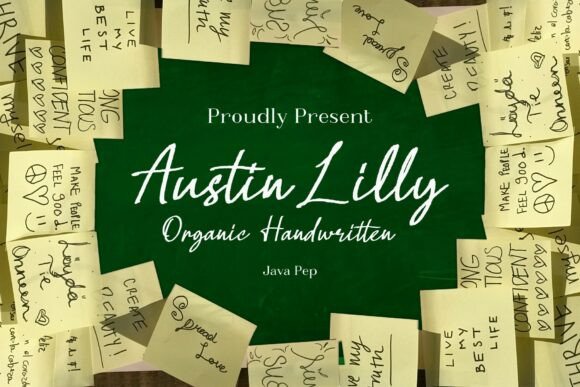
Austin Lilly is more than just a script typeface—it's a visual language that speaks to the heart of your brand. Designed with flowing, hand-penned letterforms, this font captures a thoughtful and personal soul, making it ideal for web designers looking to infuse warmth into their digital projects. Whether you're crafting a landing page, an online store, or a blog header, Austin Lilly adds a unique character that resonates with users on an emotional level.
Why Austin Lilly Stands Out in Web Design
Script fonts like Austin Lilly are often associated with elegance and creativity, but they can also be tricky to use effectively in web design. Austin Lilly strikes a balance between decorative appeal and readability, making it versatile for a wide range of applications. Its organic flow and subtle variations give it a natural feel, which is especially valuable when designing for creative portfolios, boutique brands, or storytelling websites.
The personality of Austin Lilly is key to its success. It’s not overly stylized, which means it doesn’t distract from the content. Instead, it enhances it by adding a touch of authenticity. This makes it perfect for headers, call-to-action buttons, and other elements where tone matters as much as form.
Using Austin Lilly in Real-World Web Projects
Austin Lilly shines in areas where a warm, inviting aesthetic is needed. For example, on a creative portfolio site, using Austin Lilly for the headline or logo text can immediately set the tone for a personal and artistic brand. On a boutique online store, it can be used for product titles or promotional banners to create a sense of intimacy and trust.
In digital ads and social media graphics, Austin Lilly can stand out without overwhelming the viewer. Its legibility at smaller sizes ensures it works well on mobile devices, where readability is crucial. Pairing it with a clean sans-serif font for body copy creates a balanced layout that guides the user's eye through the content naturally.
For course sales pages or product landing pages, Austin Lilly can be used to highlight key messages or promotions. The font’s fluidity helps convey a sense of movement and energy, which is ideal for driving conversions. However, it’s important to use it sparingly—too much script can reduce readability and disrupt the visual hierarchy.
Readability and Layout Considerations
When working with Austin Lilly, consider how it performs across different screen sizes and backgrounds. On dark backgrounds, the contrast may be less pronounced, so it’s best to pair it with light-colored text. Conversely, on light backgrounds, the font maintains clarity even at smaller sizes, making it suitable for buttons and short phrases.
On mobile devices, ensure that Austin Lilly is used in a way that doesn’t compromise legibility. Avoid using it for long paragraphs or body copy; instead, reserve it for headings, subheadings, and accents. This approach keeps the layout clean while still allowing the font to make a stylistic impact.
Font Pairing Strategies for Web Design
Pairing Austin Lilly with complementary fonts can elevate your design further. For instance, pairing it with a modern sans-serif font like Montserrat or Inter can create a dynamic contrast that highlights both the elegance of the script and the simplicity of the sans-serif. This combination is particularly effective for editorial-style websites or branding that requires a balance between creativity and professionalism.
If you're aiming for a more traditional look, consider pairing Austin Lilly with a serif font like Georgia or Playfair Display. This creates a classic, refined aesthetic that’s well-suited for blogs, magazines, or educational platforms. The key is to maintain visual harmony while ensuring that each font serves a distinct purpose in the layout.
Commercial Use and Licensing Considerations
When incorporating Austin Lilly into your projects, always check the licensing terms to ensure it meets your needs. Most premium fonts, including Austin Lilly, offer commercial licenses that allow use on websites, landing pages, online stores, and digital templates. Some may also include options for webfont delivery, which is essential for responsive designs that need to work across all devices.
Consider whether the font includes alternates, weights, and multilingual support if your project targets a global audience. These features can expand the font’s versatility and help maintain consistency across different languages and regions.
Creating a Consistent Brand Identity with Austin Lilly
Austin Lilly is more than a tool—it’s a way to express your brand’s personality. By using it consistently across your website, social media, and digital assets, you build a cohesive identity that feels authentic and trustworthy. Whether you’re designing a portfolio, a product page, or a blog, Austin Lilly helps reinforce your brand’s voice and values.
Its warm, handwritten style is especially effective for creative entrepreneurs, SaaS founders, and bloggers who want to connect with their audience on a deeper level. With the right application, Austin Lilly can become a signature element of your brand, setting you apart in a competitive digital landscape.