Helping: A Timeless Handwritten Font for Web Design
The Beauty of a Handwritten Typeface in Digital Spaces
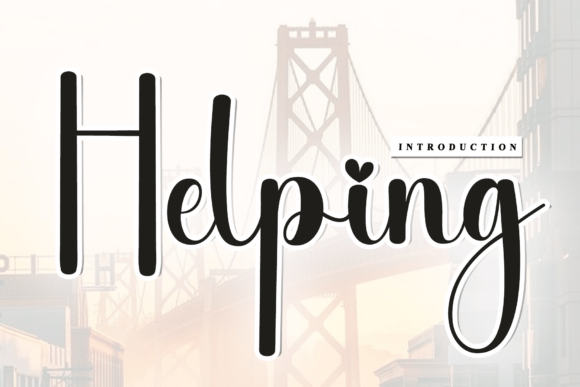
As a web designer, I’ve spent countless hours selecting the right fonts to elevate user experiences. Helping is one such font that stands out for its elegance and versatility. It’s a handwritten typeface that brings warmth, personality, and a touch of artistry to any digital project. Whether you’re crafting a brand identity or designing a landing page, Helping offers a unique visual language that can transform your design from ordinary to extraordinary.
Why Helping Works for Web Designers
Helping is more than just a decorative font—it's a functional tool for creating engaging digital content. Its flowing, organic curves give it a natural feel that feels both modern and classic. The font’s structure allows for easy readability, making it suitable for both short phrases and longer text blocks. This balance between aesthetics and usability is what makes Helping an excellent choice for web designers looking to create visually appealing yet practical layouts.
One of the most compelling aspects of Helping is how it adapts to different contexts. On a hero section, it can serve as a bold headline that draws attention. In a call-to-action area, it can guide users with a friendly tone. For logo design, its handwritten style adds a personal touch that can help small businesses or creative studios stand out in a crowded market.
Using Helping in Branding and Web Layouts
When building a brand identity, the right font can make all the difference. Helping is ideal for branding projects that aim to convey creativity, approachability, and authenticity. Its soft, flowing lines are perfect for logos, social media graphics, and packaging design. Pair it with a clean sans serif font for body copy to ensure readability while maintaining a cohesive visual hierarchy.
In terms of layout rhythm, Helping works well in sections where you want to highlight key messages. For example, on a product landing page, using Helping for the title creates a strong first impression. When paired with a simple sans serif for the body, it guides the user’s eye through the content naturally. This contrast enhances visual hierarchy and improves scanning behavior, which is crucial for conversion-focused designs.
For online stores and e-commerce sites, Helping can be used to add character to banners, product descriptions, and promotional text. Its charm makes it especially effective for boutique shops, creative services, or lifestyle brands that want to evoke a sense of warmth and individuality.
Readability and Responsiveness Across Devices
While Helping has a beautiful aesthetic, it’s important to consider its performance on different screen sizes. On mobile devices, smaller text can sometimes reduce legibility. To maintain clarity, it’s recommended to use larger font sizes for headings and ensure sufficient spacing between letters. Additionally, testing the font on dark and light backgrounds is essential to confirm that it remains readable in all contexts.
When using Helping on buttons or call-to-action elements, it’s best to keep the text short and impactful. Its stylized appearance can become overwhelming if overused, so it should be reserved for accents or key messages. For supporting typography, pairing it with a more structured sans serif or serif font helps maintain balance and ensures accessibility across all platforms.
Font Pairing and Stylistic Flexibility
Helping’s versatility extends to its ability to pair well with other fonts. For a modern look, combine it with a sleek sans serif like Montserrat or Inter. For a more editorial feel, pair it with a serif font like Playfair Display. These combinations allow you to maintain a consistent brand identity while adding visual interest and depth to your designs.
When working on digital templates or brand kits, it’s also worth considering the included styles and file formats. Helping likely comes with multiple weights and alternates, which can be useful for creating variations in your design. Checking for webfont availability ensures that your font will render consistently across all browsers and devices, which is crucial for a seamless user experience.
Commercial Use and Licensing Considerations
As a digital product creator, understanding font licensing is essential. Helping is likely a premium font that offers commercial use rights for websites, landing pages, online stores, and digital templates. Always verify the license terms to ensure compliance when using the font in client projects or brand assets. Proper licensing not only protects your work but also ensures that your designs remain professional and legally sound.
Whether you're building a portfolio site, launching a course sales page, or creating social media graphics, Helping provides the flexibility and style needed to make your digital work stand out. Its timeless appeal and adaptability make it a valuable addition to any designer’s toolkit.